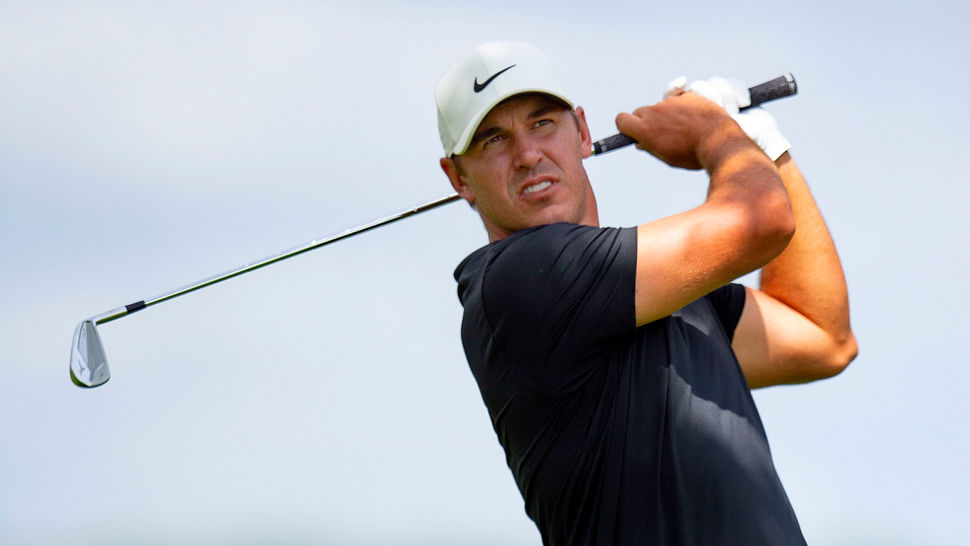
It happens to all golfers — you wake up one day and head out to play golf and your game is spot on for its overall crispness. Tee shots fly long and straight — irons zeroing in on flagsticks and putts unerring and finding the bottom of the cup.
You come back the next day and guess what happens? All of the earlier results from a day prior go in a completely opposite direction. You are dumbfounded. You were relevant the day prior – irrelevant the next day.
That dilemma is magnified when you apply it to the global elite level players.
Throughout golf’s history the emergence of players is a fascinating one to watch. Seeing the journey unfold as they develop. But no less important – is observing the capacity of players to keep up to the ever changing competitive landscape.
Consider the following —
Before 2025 ended, Brooks Koepka announced he would be leaving LIV GOLF one year sooner than his contract called for. The two parties mutually agreed and the five-time major winner will now be free to pursue his golf career as he wishes.
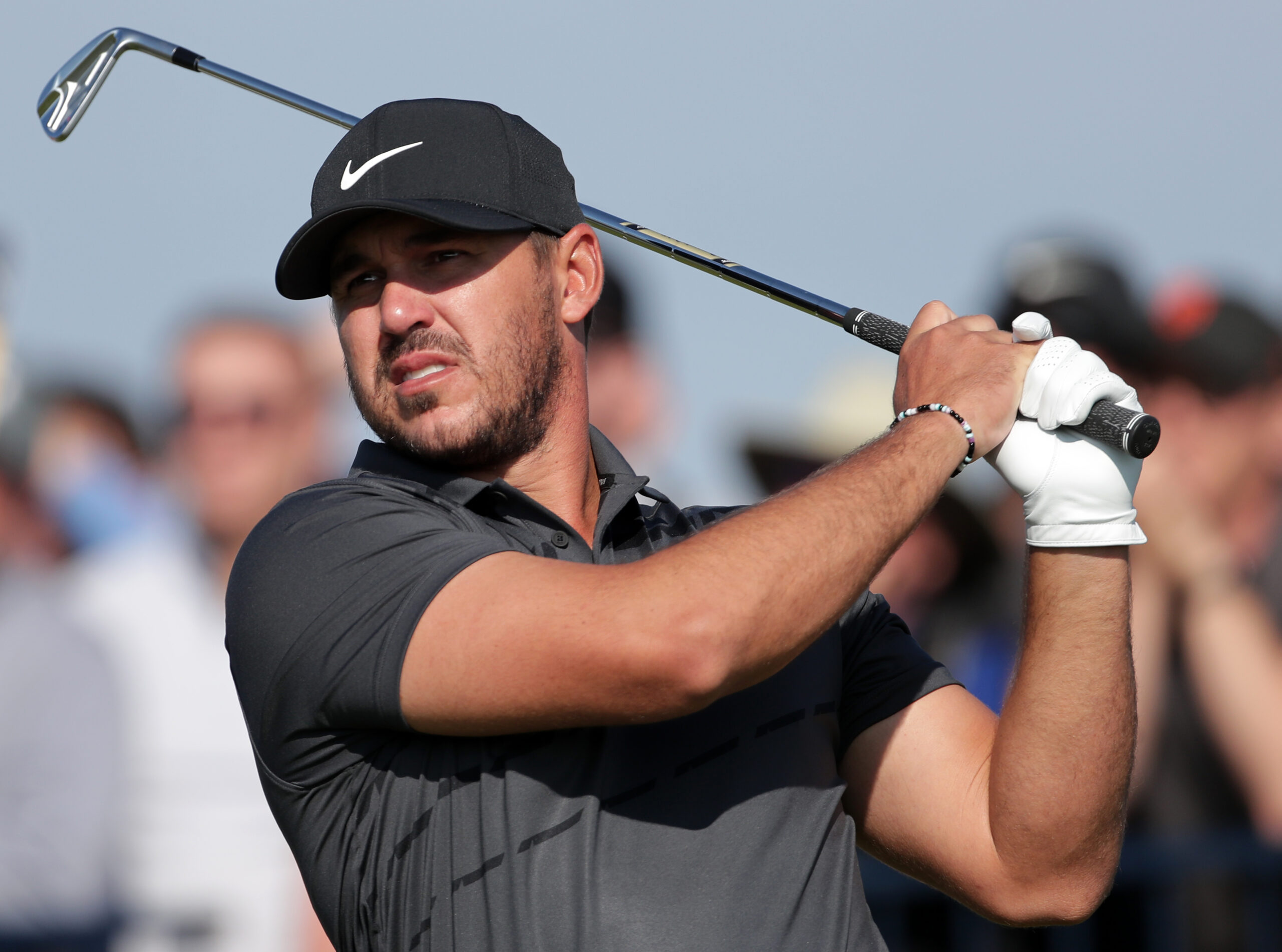
The interesting aspect for Koepka is when he left the PGA Tour in June 2022, he was still a commanding presence in world golf. His ranking then was 19th in the world. This is the same golfer who held the number one ranking for 47 weeks at various time intervals.
But since winning his fifth major event at the 2023 PGA Championship, his overall play has regressed. In the ten majors that followed the win at Oak Hill, he has not sniffed a top ten placement. In the four majors in 2025 – he missed the cut in three of them.
What happens next for Koepka is uncertain. He has no status with the PGA Tour and will need to reapply for membership if interested in doing that. Likely there will be some sort of penalty – whether monetary and/or a suspension for a period of time.
The 35-year-old is intent in remaining in the competitive lane but the bigger question is does he have the passion and game to do just that? Koepka’s personal life is not in the same place when he successfully defended major titles at the US Open and PGA Championships. Brooks married his long-time girlfriend Jena Sims in 2022 and the couple have a son. In 2025, Sims sadly suffered a tragic miscarriage.
When a player is competing at the elite level and their status is single – the focal point is generally on their golf — 100% of the time. As life happens, the priorities and time pressures squeeze such silo-focused efforts. The single player at age 25 can be in vastly different place, mentally and physically, a decade later.
Can Koepka return to his former elite self? That answer is closer to a 50/50 reality. Does he have the deep drive and inner passion to put the time and energy forward? Can he compartmentalize his life so that his focus can be on golf and not be derailed by various distractions no matter how important they may be?
Time and talent do intersect — to a point.
While time certainly marches on – talent doesn’t necessarily do likewise. The deeper and deeper array of talent playing competitively today on the global level has compressed the time clock far faster than many realize.
No one word sums up the dilemma more succinctly — relevance.
When a player arrives and then climbs the ladder during the first part of the journey, the relevance connection is obvious. Conversely, the drop-off to oblivion is never easy to predict on its arrival for its suddenness and possible permanence.

Two glaring past situations come to mind quickly. At age 34 Arnold Palmer had just won his then record fourth green jacket at Augusta. That victory marked “The King’s” seventh major. Many believed, quite naturally, that future major wins were likely to occur. None ever did.
Seve Ballesteros, at age 32, won his third Open Championship with a stirring final round 65 at Royal Lytham & St. Anne’s. The triumph marked the Spaniard’s 5th major victory and like Palmer, many opined more would be forthcoming. None ever did.
In more recent times there is the story of Jordan Spieth. The Texan burst upon the pro golf scene in 2015, becoming the second youngest winner of the Masters and the second youngest winner of the US Open since Bob Jones claimed the title in 1923. Two years later Spieth would hoist the Claret Jug as winner of The Open Championship.
The expectations for more majors were high. Now, 32 years of age, Spieth has won only two PGA Tour events since and from 2020 he’s had only four top ten placements in 23 majors played. Will his performance change in 2026? The track record is not exactly promising.
If the movie “The Invisible Man” had a golf version – the title character would likely be Dustin Johnson. When the former world-ranked number one captured the Masters in 2020 with a record four-round total of 268, he seemed poised for even greater success. Then came his bolting to LIV Golf and the now 41-year-old has slid into the darkening shadows with many wondering how could such irrelevance happen so quickly.

Given that reality, the amazing record of consistency of Rory McIlroy bears acknowledgement. The Northern Irishman won his 5th major at Augusta in 2025, ending a winless streak in the majors stretching back to 2014. In his time in pro golf, he’s been a constant force –780 weeks in the top 10 by late 2025, ranking third all-time behind Tiger Woods and Ernie Els for total weeks in the top 10.
Resilience lies with McIlroy and a final push in the years to come could well produce even more notable wins in the biggest of events. But, as stock market observers are quick to point out — past performance is no 100% guarantee for future success.
The same can be said of the imposing 800-pound gorilla in men’s pro golf – Scottie Scheffler. The 29-year-old is the clear front runner as the sport’s premier player and unless his desire to compete lessens or he is impacted by injury, it’s hard to envision the juggernaut stalling out. But, I caution to add – such was mentioned when Palmer and Ballesteros were at their ultimate respective crescendos before petering out.
The globalization of pro golf has raised the bar. Overall competitive play on multiple levels is higher than ever. The PGA Tour, prompted by the genesis of LIV Golf, opted to make long overdue changes to the formula for those receiving yearly exemptions. Now reduced from 125 to 100 players.

In concert with that development there’s been another clear change. Younger players are now entering the pro ranks faster than ever. In years’ past, the most skilled would likely continue as amateurs via competition at a Division I University. Tiger Woods himself left Stanford sooner than a standard four-year time frame and others have gone the route of what Akshay Bhatia did when turning pro immediately after high school.
Comfort zones may work for certain individuals but it’s a long-term death sentence for any sport wanting ultimate competition as the bedrock in its offerings.
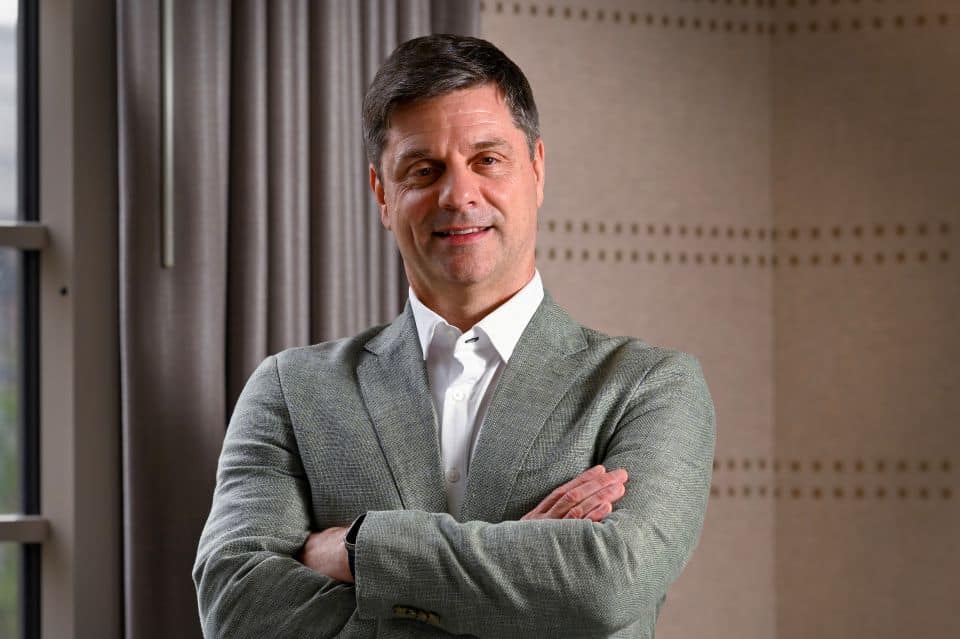
The new CEO for the PGA Tour — Brian Rolapp — will take some of the proven methods he used when involved previously with the National Football League and bring them to bear in his new role. Rolapp’s involvement will not be about keeping previously fat cows happy. Rolapp is looking to shake matters up and clearly shortening the period of irrelevance will be a central emphasis point.
The reinforcement effort now underway for an enhanced meritocracy is the only pathway for real progress. Will there be casualities? Yes, indeed. But those emerging will bring to bear a quality of golf that pushes the bar for excellence even higher.
Relevance only means something when being irrelevant has clear and certain consequences. The great ones who have played the sport from Vardon to Jones, to Hogan to Nicklaus to Woods — only wanted to be tested under the most stringent circumstances. When paydays become more important than winning the net result is easily satiated players with a pitiful end product.
So what advice applies to those now seeking fame and fortune on the PGA Tour’s freeway?
Keep your pedal to the metal.
Take even a quick peak behind you and you will be most certainly passed.
The space between relevance and irrelevance is now narrower than ever. The advice going forward —
Buckle up.

Related: The Finicky Golfer – Lajitas Golf Resort
For the latest news in the golfing world, follow us on X.