
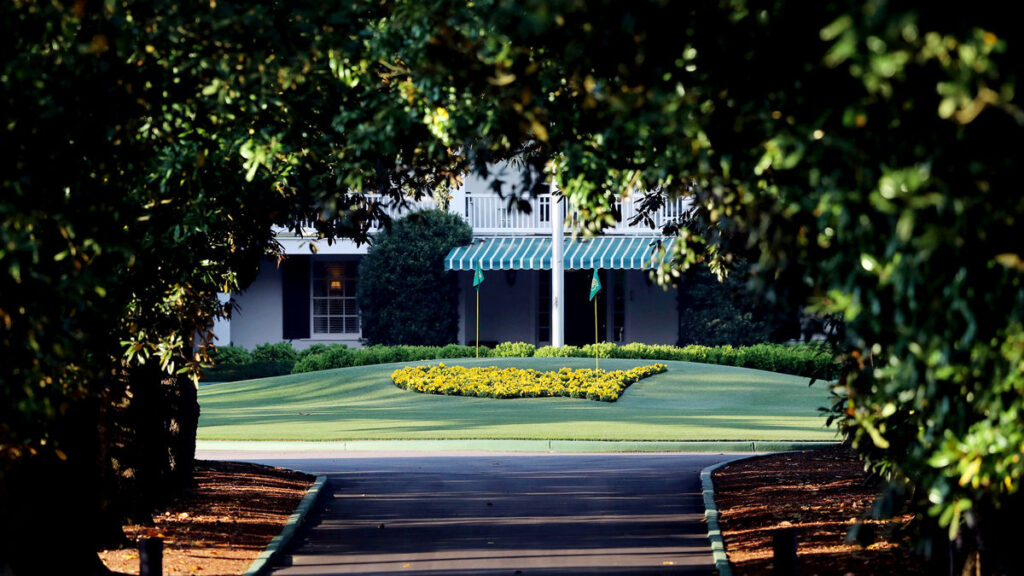
Rory McIlroy crumpled to his knees at Augusta last April, green jacket practically glowing in the Georgian twilight, and you could see a decade of torment drain from his shoulders. The playoff birdie over Justin Rose sealed more than a tournament—it exorcised ghosts, completed the career Grand Slam, and finally, mercifully, ended the Augusta curse that had haunted him since that Championship Sunday meltdown back in 2011. It had been 11 long years since Wee Rors had last tasted major success, but Magnolia Lane was finally conquered at long last, and the monkey wasn’t just off his back; it had been cremated.
Now comes the hard part.

Rory’s Masters defence
McIlroy returns this April to defend his title, stepping back into Butler Cabin as the reigning champion, attempting something golf treats like forbidden magic: winning the same major for the second straight year. Online betting sites tell the story before a shot’s struck—Scottie Scheffler opens as the +300 favourite. The latest online sports betting at Bovada odds currently makes Rory a +700 second-favourite, by no means out of contention, but certainly with an uphill task ahead of him in beating the 29-year-old Texan powerhouse once again.
April will mark 24 long years since the Masters was last successfully defended. But who was the last man to achieve the feat, both in Augusta and elsewhere across the major tournament calendar? Let’s take a look.
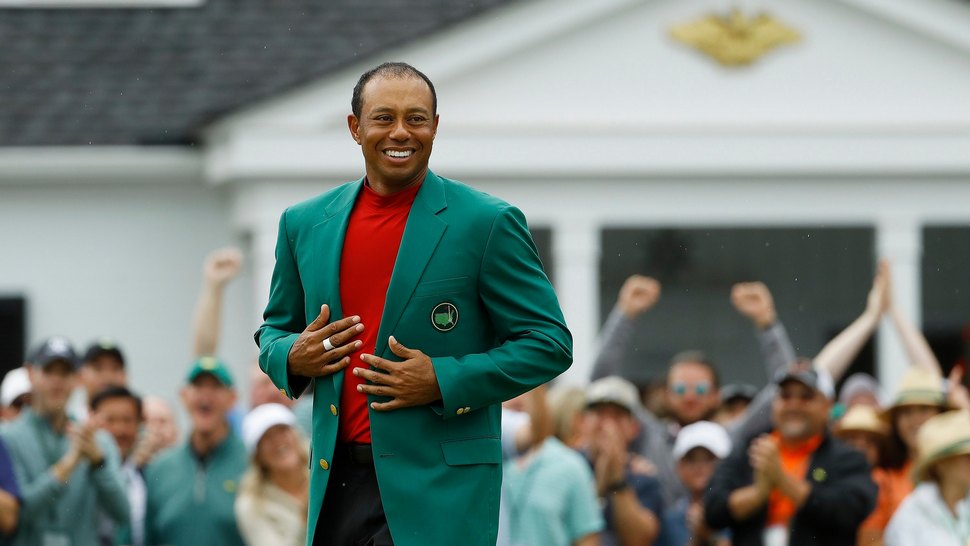
Tiger Woods’ Augusta dynasty
April 2001 wasn’t a coronation. It was the completion. Tiger Woods rolled into Augusta National cradling the U.S. Open, Open Championship, and PGA Championship trophies from 2000, needing only the green jacket to achieve the “Tiger Slam” – possession of all four majors simultaneously, calendar year be damned. With the story seemingly writing itself, Tiger duly torched the field, finishing 16-under, two clear of David Duval, and with Jack Nicklaus calling it “the greatest accomplishment in golf.”
12 months later, the American superstar returned to Augusta with all three of those other majors relinquished. Duval won at the Open, Retief Goosen at the US Open, and David Toms shocked the world at the PGA Championship. But the Masters remained Tiger’s haven. He managed to grind through a brutal Sunday where Augusta’s greens turned to concrete, and only one player broke 70. Woods posted 71 while playing partner Retief Goosen leaked oil with a 74, handing Tiger the green jacket for the second straight year by three strokes.
The victory made Tiger only the third player to capture consecutive Masters titles after Nicklaus and Nick Faldo. But even peak Tiger couldn’t sustain the powers of the supernatural forever. He’d grab the 2005 Masters, then three more majors through that emotionally gutting 2008 U.S. Open at Torrey Pines, winnings on one functioning leg and sheer force of will. Then came the wilderness—personal implosion, swing changes with Sean Foley and Chris Como, injuries stacking like missed cuts, excruciating near-misses where major championship Sundays turned to stone.
Eleven years passed before his 2019 Masters redemption, a triumph that remains one of sport’s all-timers. Now, the onus is on McIlroy: Can he become the first man in 24 years to successfully defend Augusta’s biggest prize? We’re about to find out.
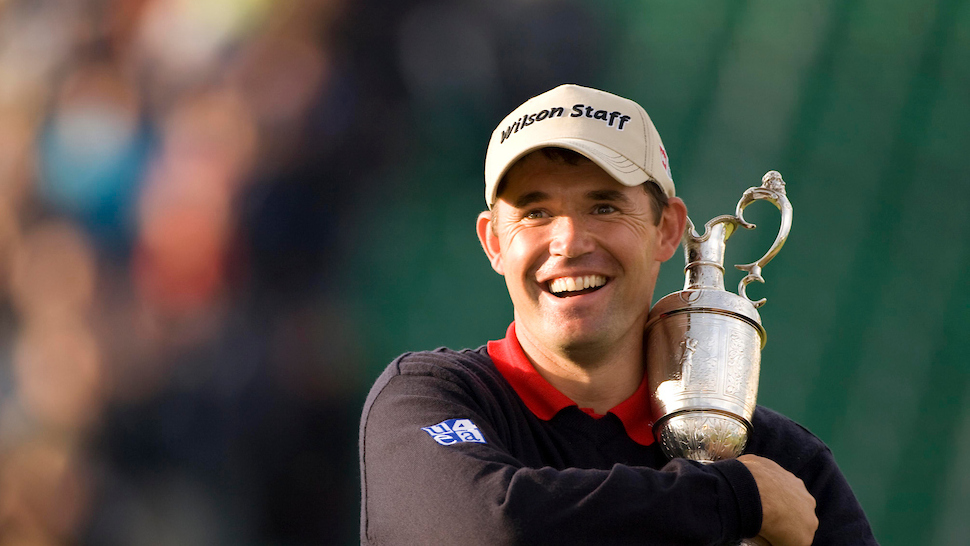
Padraig Harrington’s Claret Jug double
Final hole, Carnoustie, 2007. Padraig Harrington’s ball sits in the Barry Burn—in the actual water—after a double-bogey disaster that should have buried his Open Championship dream beneath Scottish links and crushed expectations. Instead, this cerebral Irishman who’d battled swing mechanics and his own analytical mind for years somehow salvaged a playoff with Sergio García, then won it, becoming the first Irishman in 60 years to hoist the Claret Jug.
Royal Birkdale 2008 felt different. Authoritative. Serene, even. Harrington lit up Birkdale’s back nine Sunday, pulling clear of Ian Poulter for a four-shot victory at three-over. That approach at 17? He called it the finest shot of his career, setting up the most glorious walk in golf—up 18, knowing the Jug was his again. First European to defend The Open since James Braid in 1906. Three weeks later, at Oakland Hills, he added the PGA Championship to make it three majors in thirteen magical months. Padraig Harrington was suddenly being mentioned alongside golf’s immortals.
Unfortunately, that was as good as it would get. Injuries ultimately crept in, with wrist problems triggering a swing overhaul that turned fluidity into mechanics. By the early 2010s, Harrington was a respected elder statesman, beloved on both tours, but completely absent from major championship leaderboards when Sundays arrived. Still, during those back-to-back Open triumphs, he was simply unbeatable.
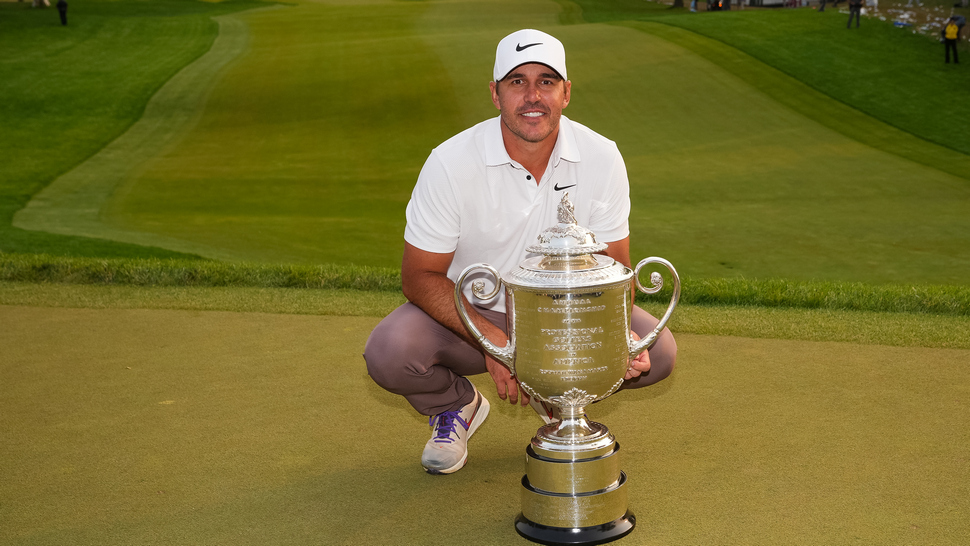
Brooks Koepka’s unprecedented double defence
What Brooks Koepka accomplished between June 2017 and May 2019 defies logic. He didn’t just defend one major. He defended two different majors within 25 months—a feat unmatched in modern golf history.
Erin Hills, 2017. The American obliterated a U.S. Open field with a 16-under 272, tying the championship record on the longest course in major history. Twelve months later at Shinnecock Hills, he answered every doubter, grinding through a brutal setup that humiliated Tour pros with Sunday 80s, winning at one-over 281. Same trophy. Consecutive years. Completely different tests.
Four weeks after Shinnecock, he went wire-to-wire at Bellerive, capturing the 2018 PGA Championship at a tournament-record 16-under par. Three majors in thirteen months, and he wasn’t finished yet.
Bethpage Black, May 2019. Seven-shot Sunday lead. Then Dustin Johnson charged up the leaderboard, moving to within just one shot of the lead. The Long Island crowd chanted “DJ! DJ!” and the pressure got to the championship leader, with Koepka bogeying four straight holes in a capitulation of epic proportions. The wheels wobbled. The lead evaporated. Then golf’s biggest star since Tiger steadied himself and remembered exactly who he was.
Johnson made back-to-back bogeys, and Brooks ugly-closed with 74 to win by two strokes. Four majors. Two successful defences of different championships. Only Tiger Woods had won consecutive PGAs in the stroke-play era.
Context matters: during this nuclear peak, Koepka finished runner-up at the 2019 Masters, two shots behind Tiger’s emotional resurrection. Multiple top-fives at other majors. He wasn’t lucky. He elevated specifically when pressure peaked, when major championship Sundays demanded different mettle. And while injuries would go on to take their toll, Koepka has returned with a vengeance at the 2023 PGA Championship, and he is expected to contend for his maiden Masters crown in Augusta this April.

Andy Newmarch
Being one of the original owners of the ‘Top 100 Golf Courses’ website enabled Andy to travel far and wide playing and rating courses, with the numbers somewhere around 1200 courses in 40 countries. Although now away from the day-to-day grind of course ranking, having a keen eye on course developments is still high on the agenda. Currently hanging on to a handicap index of 8.1 he is probably as competitive on the course than ever but more often than not will compliment this by relaxing at the 19th hole to make up for the hard work!