

The first step in solving any issue is recognizing a clear problem exists. Go to a golf rules book produced by both the USGA and R&A and the first section highlights one element central to the playing of the game — etiquette.
There is a clear breakdown happening in golf – whether from those playing at the recreational or elite levels and to those attending professional events.
In clear and simple terms – etiquette is the long-established courtesy that provides the needed glue for a meaningful pathway where golf is played and enjoyed in a civil and fun manner. The focus on etiquette is grounded in the most critical of aspects — how “we” share a common experience together in a positive manner. The sad reality is a singular “I” has taken root.
Ask yourself this – when playing in a foursome and you see the group immediately behind you is constantly waiting for you to finish a hole what’s your reaction? Do you waive them through if there’s an opening in front of you or do you let them languish for the duration of the round?

The etiquette of the game includes when people attend professional golf events. At this year’s US Open at Shinnecock Hills a number of people attending were escorted off property because of verbal comments made to eventual winner Wyndham Clark that were both audible and disconcerting.
A similar disturbance occurred at the Ryder Cup matches in 2025 at Bethpage. In that specific situation, spectators accosted Rory McIlroy and Shane Lowry. Adding insult to verbal injury was the inane action by the PGA of America in permitting a comedian — a poor one at that — doing player introductions and then adding an expletive when McIlroy was introduced. The clear fumbles by the host organizers only served to elevate tension and hi-jacked the biennial event in being remembered for something else rather than the real purpose of what the Ryder Cup should represent.

Related: Glory day for Rory; a bleak day for golf at the Black
Adding to the issue is the inability of tournament organizers in admitting clear issues are happening and likely will only escalate. Hosting a professional golf event is a monumental challenge because spectators are not confined to designated seating areas. People wander about and when you add alcohol sales, you can unhinge the vile demons that exist within certain people.
The annual Waste Management event on the PGA Tour held in Scottsdale is a great example of that. The event has morphed into a mega-drinking frenzy. How apropos that the title of the event matches the “wasted” condition of so many of those attending.
Alcohol sales bring in substantial revenue for any event but at what point does that only cause a clear disturbance to the players competing?
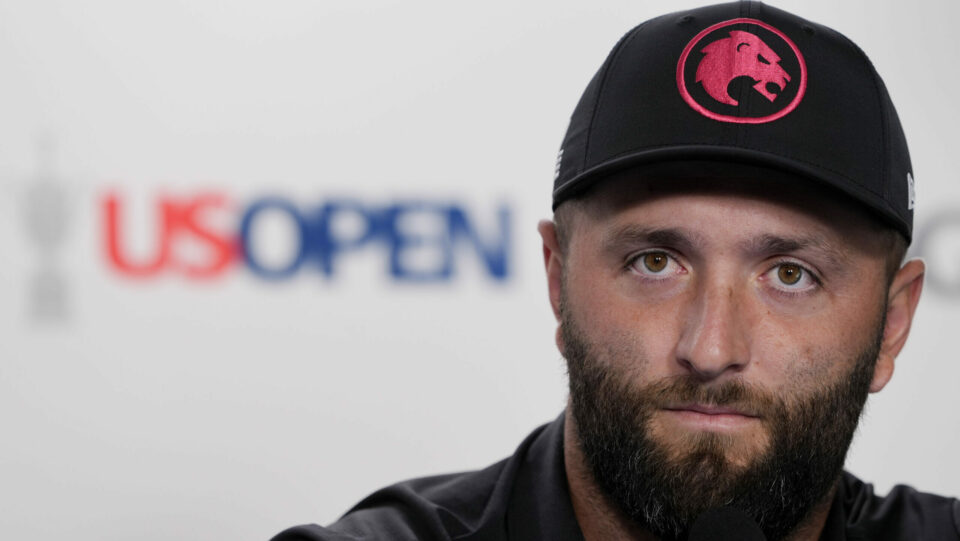
On the flipside is the growing issue of how players comport themselves when competing. The main golf organizations have now implemented code of conduct standards and this year has seen the application of actions ranging from warnings to actual penalties applied to one’s scorecard. Joaquín Niemann was penalized two shots at the US Open after throwing a club 50 yards because of frustration with his play. Just recently, Jon Rahm was warned about a club he tossed after a poor shot executed at The Open.
At last week’s PGA Tour stop in Minnesota, Brian Harman and Scottie Scheffler were in the scorer’s area after the final round when Harman, who was on camera, opted to give an obscene gesture in full view.
The PGA Tour has had a longstanding practice in never disclosing if a player was fined or even suspended. The belief is that keeping matters in the dark is more beneficial to the Tour and the player. That’s understandable from the sense of visibility and media excoriation but such invisibility undermines a more impactful deterrence on any future matters of conduct deemed unprofessional.
However, an even more disturbing development is quickly escalating and could prove to be a much more serious bomb that causes a more lasting explosion.
With the proliferation of sports betting in recent years, the connection between pro golf and those companies taking various wagers on what transpires within the ropes is becoming more serious and alarming.
In years past, wagers were simple matters — you bet on a team or player and a handicap was set and the outcome determined who got paid and who had to pay up.
All of that is now in the rear-view mirror as betting has been fast tracked to real time situations as the contest is happening. One now sees galleries with app-wielding devices and the visceral reaction from the attendees betting on a player making or missing a putt is now becoming the lightning rod in causing more and more ugly intersections as Clark found out at Shinnecock Hills.
The explosion of mobile sports betting has filled galleries with app-wielding fans who treat golfers as the wherewithal to line their pockets with a continuous series of real time bets. Naturally, those on the short end of the stick and who have had a few drinks to boot believe it’s fair game to take out their frustrations on players.

The PGA Tour’s primary role is to provide for its members. However, that need is now facing a critical counterpoint — sports betting is a clear revenue opportunity and the staggering escalation has seen the golf betting handle growing by 30 to 35 percent annually. The PGA Tour has heard the siren’s call and the temptation to just sit on the sidelines has proven to be irresistibly hard to disregard.
TPC Scottsdale has a massive 13,000-square-foot sportsbook run by DraftKings. There are broadcast streams including live prop-betting features and there are plans towards offering bets on every single shot.
That’s right – every single shot!
TPC Scottsdale Golf Packages are also available for international travellers on CondoResorts.com.
Those attending events now have a financial connection to what is happening as Clark painfully found out at the US Open. In the distant past, the satisfaction for those attending came from seeing superior golf played but now the growing involvement with making bets of all types is the main focal point for a growing constituency of attendees.
When the bets that are made don’t come to fruition, those on the short end of the stick are quick to voice their displeasure. The PGA Tour has instituted protocols that prioritize player safety but when the gambling handle is escalating to an even higher amount, the needs of the former are likely to take a backseat to the latter.
In essence, the PGA Tour is attempting to police such matters but the insatiable desire to reap financial windfalls remains front and center. Players and caddies can identify such individuals but the lure of the bet has only brought more and more such people to golf tournaments seeking personal enrichment.
The sport betting companies have put in place bans on those who demonstrate harassment actions against players by prohibiting ongoing involvements. But the efforts amount to only doing so after the fact.
So, is there any solution?
Yes, but only one notable event has seen fit to do it. Each year when the Masters is played the policy at Augusta National is set in stone — no person attending can bring a cell phone onto the property.
The penalty for being caught is immediate expulsion from the grounds and the permanent loss of tickets or credentials, with severe repeat or sharing offenses risking a lifetime ban.
Is the PGA Tour prepared to do that?
That seems unlikely given the revenue streams involved. But the PGA Tour does not run any of the four major championships and it will be interesting to see if the PGA of America, USGA and R&A will follow suit with each of them staging a flagship major championship.
Ultimately, it’s hard to envision the genie being placed back in the bottle. The behaviors one is seeing – both at the recreational and professional levels, are a matter of serious concern. Recreation golf has a more direct correction route and that can happen when facilities take a proactive stance on educating golfers on what the proper behavior is when playing.
On the professional side the course correction – no pun intended — is far less simple.
In the movie Wall Street, Hal Holbrook’s character advised a young up and coming broker played by Charlie Sheen about the perils of the business. “The main thing about money, Bud, is that it makes you do things, you don’t want to do.”
Yes, it does.

The bomb is ticking. Can the countdown be stopped or even slowed down?
Doing nothing or downplaying what is already happening means a cataclysmic explosion having seismic repercussions.
As stated at the outset – the admittance of an issue is the first step in providing the needed correction.
Is that likely do happen?
Don’t bet on it.

Related: R&A Unveils The Open Commitment, a New Fan Code of Conduct Ahead of Royal Birkdale

M. James Ward
A long-time member of both the GWAA and MGWA. The 68-year-old has covered all facets in golf since 1980 — including reporting on over 100 major championships and 13 Ryder Cup matches. His writings have appeared in various outlets. On a personal level, has played over 2,000 courses globally and is lead reviewer for Top 100 Golf Courses.
Previously served for 17 years as national course rating panelist for Golf Digest. Has also personally competed in USGA Championships. Resides in the metro New York City area with his wife Celeste. Favorite quote paraphrased for golf — “You are what your golf score says you are.”