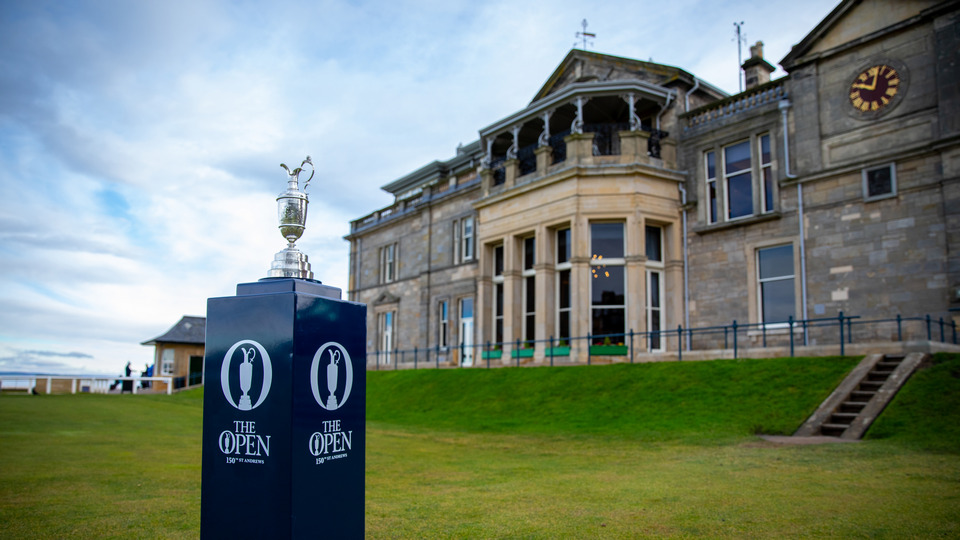
Golf is one of the most exciting sport that is rooted in culture and connects generations. This sport is often described as a game of patience, precision, and personal honour. Away from fairways and scorecards that fans witness lies something deeper. The sport carries a living heritage built over centuries, shaped by customs that still guide players today.
The modern landscape of this sport has continued to grow thanks to the influence of digital platforms that are expanding, and interest in historic sporting culture continues to grow alongside broader fan engagement. In Missouri, for example, sports fans follow up resourceful sites like MissouriSports.bet to learn how to wager on golf and also gain more insight about the sport.

The origins that still echo today
Dating back to the fifteenth century, golf originated in Scotland, where coastal links courses shaped the character of the game. The unpredictable weather, firm turf, and rolling dunes demanded creativity and control. Those natural elements are what influence the way golf is played and designed across the globe, as well as the principles that guide the game.
Several traditions born in Scotland remain central to the sport are:
- Walking the course rather than riding
- Respect for quiet during play
- A strong culture of self-regulation
- Recognition of the honour system in scoring
These customs are what hold golf’s identity as a sport where character matters as much as skill.

The major championships and their rituals
If we talk about golf heritage without mentioning the major championships in golf, then the discussion is not yet complete. Golf championships serve as living museums of the sport’s evolution, preserving rituals that players dream of experiencing.
Below is a snapshot of the four majors and the traditions that define them.
| Championship | Host Country | Signature Tradition |
| The Masters | United States | Green jacket ceremony |
| The Open Championship | Great Britain | Links golf challenge |
| U.S. Open | United States | Emphasis on course difficulty |
| PGA Championship | United States | Club professional inclusion |
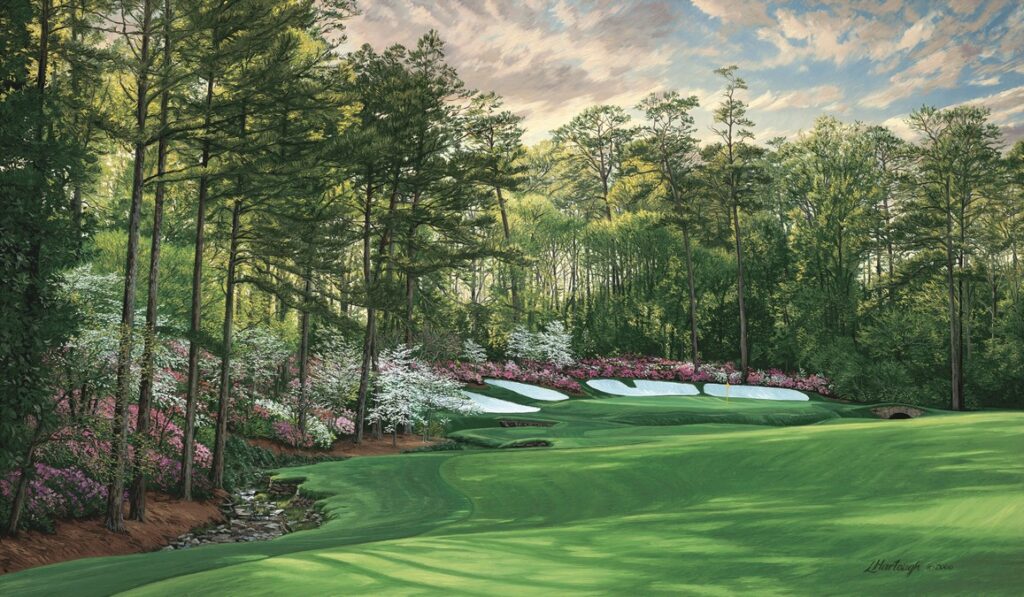
Each event carries its own personality. The Masters is appreciated by fans due to its ceremonial precision and iconic setting. The Open Championship honours the game’s birthplace by returning to historic coastal courses.
These rituals build a stronghold between past and present champions and reinforce the continuity of the sport.
Etiquette as a foundation of respect
When compared to many other sports, golf places more emphasis on etiquette. While many modern competitions are driven by spectacle, golf continues to uphold behavioural standards that shape how the game is played and the overall experience of the sport.
Core etiquette principles include:
- Repairing divots and ball marks
- Allowing faster groups to play through
- Maintaining silence during swings
- Dressing according to course standards
These practices preserve fairness and course quality while reinforcing a shared respect among players.
The evolution of equipment and course design
While golf keeps holding its traditional identity, modern innovation is constantly influencing how the game is played. For instance, during the early days of this sport, golfers used wooden clubs and feather-stuffed balls. But today’s equipment reflects advanced engineering and performance testing.
One thing that has not changed despite these advancements is that the golf governing bodies keep working to protect the competitive balance of this sport. These bodies help to regulate the equipment used in golf and ensure that skill remains central to success. Similarly, course architects often blend modern strategy with classic design elements, creating layouts that challenge today’s athletes while honouring historical roots.
This balance between innovation and preservation is one of golf’s defining strengths.

Amateur golf and community legacy
Globally, golf is often recognized due to its amateur tradition. Prestigious amateur championships have launched the careers of countless professionals while reinforcing the sport’s inclusive structure.
Local clubs also play a critical role. Families often belong to the same courses, passing down stories, trophies, and traditions. Junior programs always bring young players into the system and teach them the values of patience, discipline, and sportsmanship that extend beyond the game itself.
International growth without losing identity
Today, golf is played across every corner of the world and has brought new audiences and champions from countries where golf is less known. International tournaments now attract a wider range of fields and bring more passionate fans to the sport.
As golf continues to grow across Asia, Europe, Africa, and the Americas, the core traditions never change. Tee times are still honoured with punctuality. Scorecards are still signed with care. Champions still acknowledge their competitors with respect. This consistency is what keeps golf expanding without losing its identity.
Final thoughts
Golf’s living heritage is not just in the museums or archives. It lives on in every respectful handshake, every carefully repaired divot, and every champion who slips into a ceremonial jacket. These traditions are what shaped this sport right from the beginning and will continue to guide the future of this sport.
Golf remains one of the sports where tradition and progress do not compete; they coexist, ensuring that the game maintains its history and nature while embracing the positive impact of modern innovations on the game.