

Two years ago, writing in the Irish Independent, I outlined an unspoken contract between athletes, fans, and sports history. Drawing on late baseball great Ryne Sandberg’s 2005 Hall of Fame speech, I argued that true stewardship requires a fundamental respect for tradition. Tiger Woods epitomised this when he warned that LIV players were turning their backs on the very history that allowed them to succeed. At the time, multi-millionaire players were jumping ship to the breakaway tour, wrapping their defections in the noble banner of “growing the game”. I wrote then that disrupting a sport without respecting its roots would eventually drive people away. Today, we are watching that decline play out in real time.
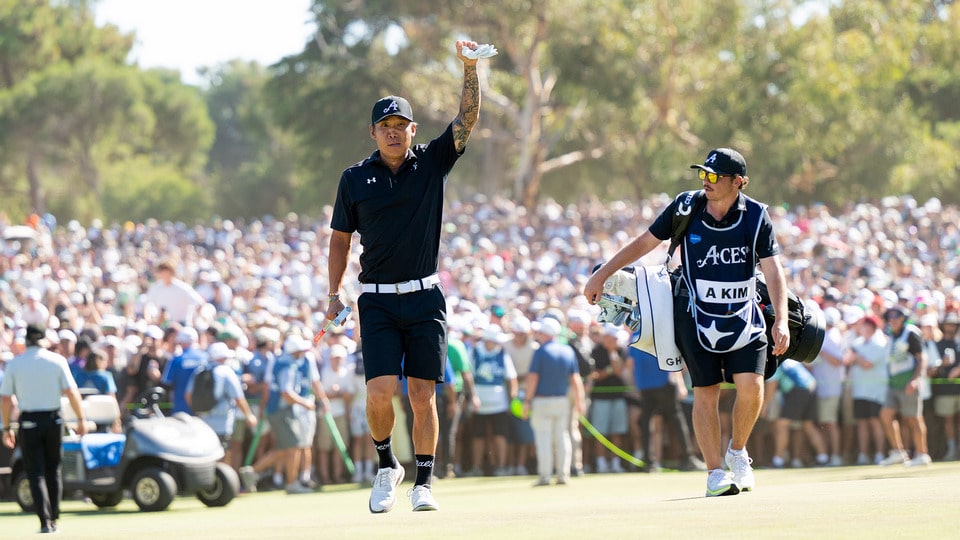
Nothing grows when its roots are severed. Fans and players invest emotionally in the mastery of the craft and a connection to history. Because these stakes are real and entirely earned, traditional golf hooks us. It uses the pressure of the 36-hole cut, the gruelling four-round format, and historic venues to create the narrative tension required for true engagement.
LIV attempted to replace traditional golf with guaranteed upfront payouts, no-cut exhibition rounds, and closed team formats. When substantial financial rewards become the primary focus, they change the competition’s dynamic. When players face no professional risk and secure their financial outcomes before hitting a single tee shot, the competitive tension that drives audience engagement drops significantly. The game stops mattering, and the audience instinctively senses it.
We are now witnessing the consequences of that structural shift, as a significant wave of departures exposes the fragility of the “grow the game” narrative. The grand, altruistic rhetoric about revolutionising the sport for global audiences has vanished, replaced entirely by individualistic pivots to personal comfort, family convenience, and legacy preservation.
Upon departing LIV, Graeme McDowell offered a concise shift away from the collective mission, stating simply: “I look forward to the next chapter of my career,” while Ian Poulter reframed his exit around domesticity, noting that the opportunity to “spend more time at home with my family, reduce international travel, focus on senior golf and have the opportunity to pursue other interests was something that I felt was right for me at this stage of my life and career.” Louis Oosthuizen similarly remarked: “I have to do what I believe is right for my golf,” and Tom McKibbin said:
“I’ve taken time to think about what’s best for me and I am confident this is the right decision to help me achieve my goals.”
There is an acute irony in these transitions. The tour that promised to expand golf’s global footprint has instead become a temporary baseline from which stars may quietly pivot back to private life, traditional tours, and senior circuits.
The financial consequences are now clear. Following the failure to secure alternative investment, LIV Golf has announced that it will wind down operations and enter liquidation. The viewing figures had already told a story of retreat. While traditional tour broadcasts regularly draw millions of viewers, LIV’s ratings consistently struggled to find a mainstream audience. Splitting the best players across rival tours didn’t grow the audience as promised; it simply turned people off and caused widespread fan fatigue. As Rory McIlroy rightly feared, the sport began cannibalising itself.
Disruption without respect is not innovation. By trying to strip golf of its merit-based soul, LIV showed that capital alone can’t buy a sport’s competitive core. Ultimately, it proved Ryne Sandberg right: true growth can never be manufactured through sheer financial muscle; it can only flourish when it is anchored in respect.
Moving forward, golf’s traditions must become a shared responsibility. Professional golf’s greatest modern crisis happened because its leaders failed to protect that deep appreciation over time, precipitating the decline we see today. Players who turned their backs on history must now choose between continuing their retreat into private life or helping to rebuild a unified sport. Only a collective effort can grow what has been shrunk, and restore what has been lost.
Sources:
• Author’s previous article: https://www.independent.ie/sport/golf/liv-growing-the-game-of-golf-without-respecting-its-traditions-will-lead-to-its-decline/a/128905837.html
• Graeme McDowell quote source: https://www.irishexaminer.com/sport/golf/arid-41929239.html
• Ian Poulter quote source: https://irishgolfer.ie/latest-golf-news/2026/10/23/ian-poulter-the-latest-to-quit-liv-2-0/
• Louis Oosthuizen quote source: https://irishgolfer.ie/latest-golf-news/tour-news/2026/10/21/louis-oosthuizen-the-latest-to-quit-liv-for-dp-world-tour-return/
• Tom McKibbin quote source: https://www.nytimes.com/athletic/7672251/2026/10/23/liv-golf-tom-mckibbin-player-exit/
• Rory McIlroy quote source: https://www.sportspro.com/news/decision-makers/rory-mcilroy-jon-rahm-liv-golf-ryder-cup-eligibility/

Simon Bale
Simon Bale is the publisher of Golf Today. A low single-figure handicap golfer, he was previously a major shareholder and course reviewer for Top100GolfCourses.com for over a decade, starting in 2010. Through this role, he developed extensive knowledge of golf course design and architecture while playing more than 300 courses worldwide.